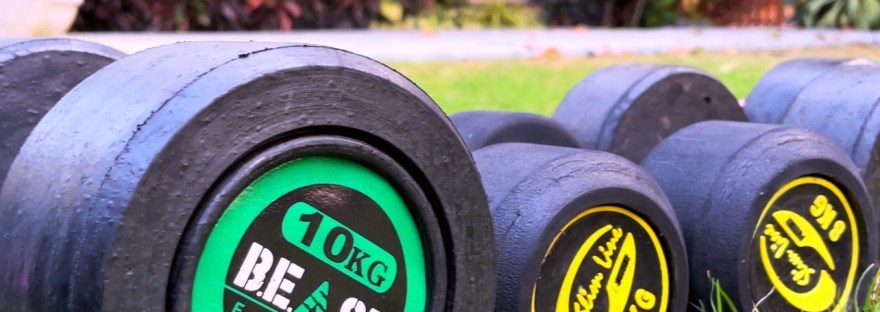
A little over three months ago I started the Epic programme by Caroline Girvan, a popular fitness guru on YouTube. Not quite like your insta friendly workouts, Caroline pushes you to the limits of your strength. She strongly believes in resistance training and encourages men and women alike to focus on building muscle. Her workout programmes across her channel cater to that ideal, and that’s why I decided to try her out.
Over the last three or so months, I was maintaining a calorie deficit of about 200-300 calories, and strength training 4 times a week, with daily yoga and regular everyday life tasks to up my steps. All this led my followers on Instagram to ask me repeatedly, “but in kilos, how much weight have you lost? On the scale?”
Today, as I wrap up the Epic programme, I’m addressing that question.

How Much Weight Have I Lost?
Everybody loves to have a number. We all want to know the exact measure of our progress and we recognise it as the number on the scale; the lower it goes the more we have achieved. I am definitely not in the mental headspace to put my scale weight or measurements out into cyberspace, but I can say that the scale went down by 4kgs in 3 months. Yup, that’s it. Not an astronomical number by any means.
In fact, one of the weeks of the programme I was severely unwell and in bed for three days with a fever, so I think it’s safe to say that I lost some weight because of that too.
Where Did I See A Difference?
I know what you’re thinking, in three months I must have seen some sort of difference with this amount of consistent movement and semi consistent deficit of calories. The answer is, yes, I certainly did.
Overall I have lost several inches on my body. From my bust, down to my waist, hips, thighs, I have lost about 3-4 inches. Moreover, I have gone down a dress size, and suddenly clothes that weren’t fitting me before, are.
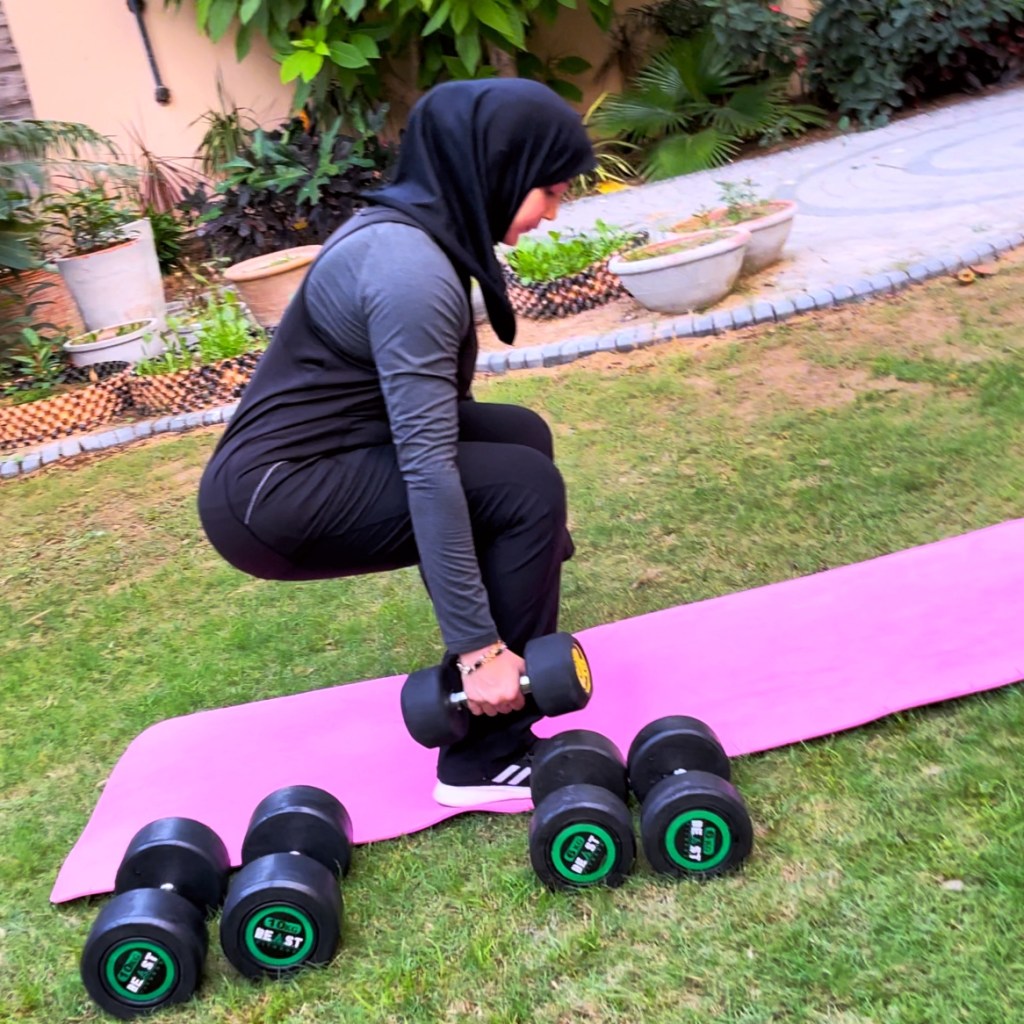
I have also seen a marked definition in my muscles across my body. I can feel them on my thighs, my biceps, my triceps, my shoulders. I can feel the strength in my glutes, and I won’t lie, it’s pretty satisfying.
I can also see a difference in my strength and how much I am lifting. My grip has improved, and overall I am a stronger woman than I was three months ago.
Why Didn’t The Scale Move Much?
Now the question begs, if all of these incredible things are happening to my body. I’m building strength, I’m losing inches, I’m going down a dress size, then why isn’t the scale moving? That’s the big conundrum to address here, and I am not a nutritionist or a trainer so my limited knowledge and brief explanation will have to suffice.
If you’re building muscle and not losing weight then your body is doing essentially what it’s supposed to do. You are successfully experiencing body recomposition and the growing muscle which is denser than fat is making you appear leaner while gradually reducing the weight on the scale. This is a success story and its ideally what you want to experience. Building muscle is hard, and you really don’t want to lose that.
When we rely heavily on the scale to give us our information on progress we are often sorely disappointed. This can lead us to jump into heavy cardio sessions and attempting any and everything that will get us on a lower number, from fad diets, to no more lifting.
It’s honestly not the best route to go. Instead educating yourself on the value of strength training and recognising that there are far more comprehensive ways to measure your progress in the gym is a better alternative.
How Do I Measure My Progress Then?
Take pictures: Once a month take a picture of yourself and repeat with consistency. Same clothes, same pose, keep it simple and watch the difference.
Take measurements with a tape measure: Focus on the inches rather than the kilos and pounds. That is where you will find your valid progress because muscle mass allows you to become leaner, as opposed to fat. That will be reflected in your measurements if you’re successfully experiencing it.
Look at your clothes: How are things fitting? I am accessing parts of my closet that I thought I would no longer get to, so I can see that measured progress coming into play.
Are you lifting more? That is progress and a sign of your strength building, which was a huge goal of mine. The aesthetic that comes with building muscle in the long term is what I am holding on to, and I know it will come over time.
Focus on how you feel: This speaks again to the point above. Since I’m my building my strength I feel better. I’m also sleeping better and consuming more protein, so lots of factors are coming into play but overall my current health and fitness journey is suiting my body.
Your Goals
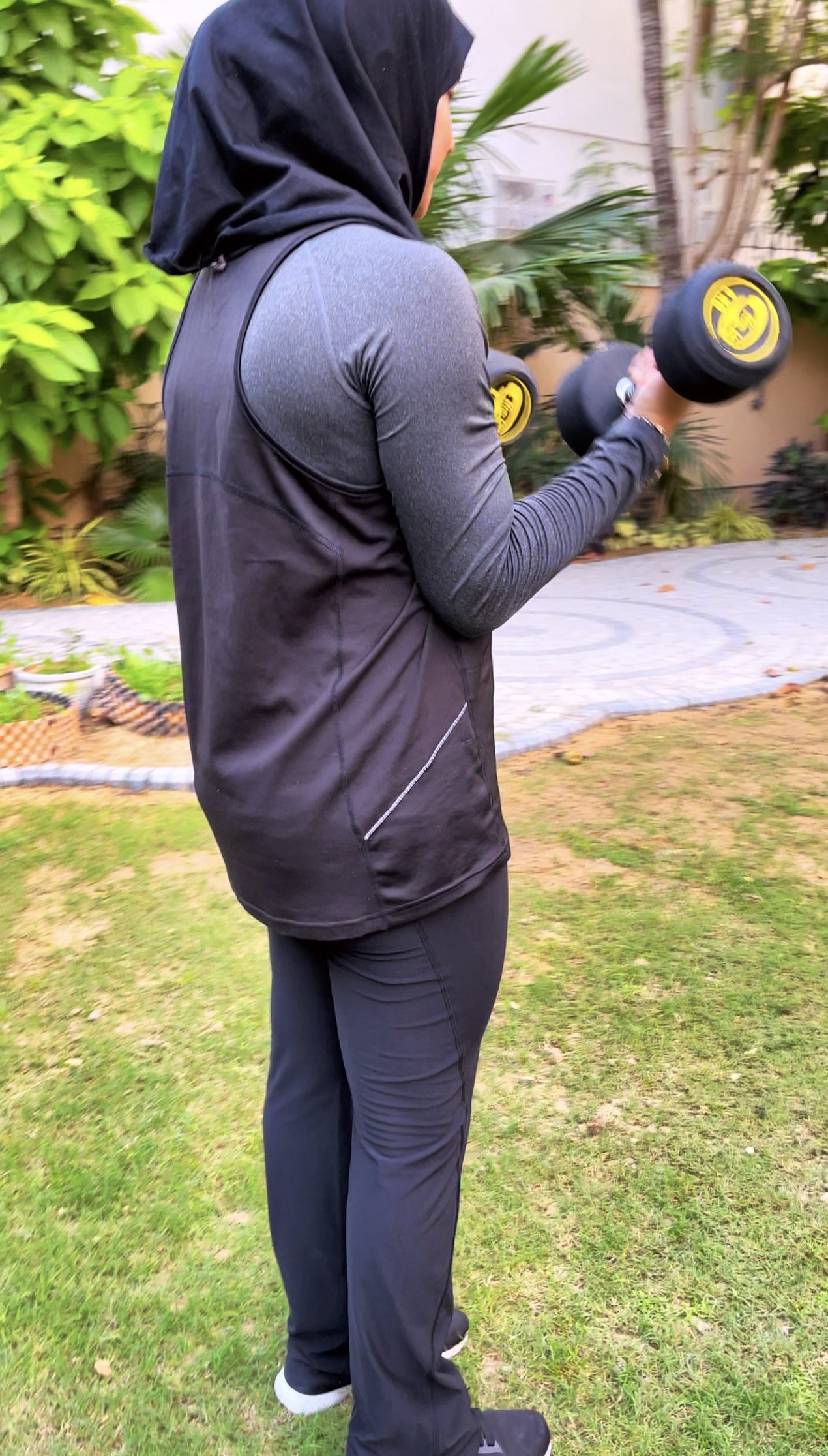
To sum it all up, I loved my experience with the Epic programme. Yes I didn’t see a massive shift on the scale but I saw a change in my overall existence for the better and I saw my goals being served. My goals were to build strength, increase muscle mass and become leaner. It all ties in together with the workouts I did and the diet I maintained.
I hope this post gave you a little insight into why the scale may not be the best way to measure your health progress and alternatives that may suit you more, as well as an idea of the Epic programme might serve you.
If your goals are not the same then I would suggest certainly looking at a different approach.
The journey doesn’t end here. This was simply a three month programme and 90 days honestly isn’t going to do much in the long term. Maintaining consistency is everything and I am already on to my next plan.

 Mums The Word